

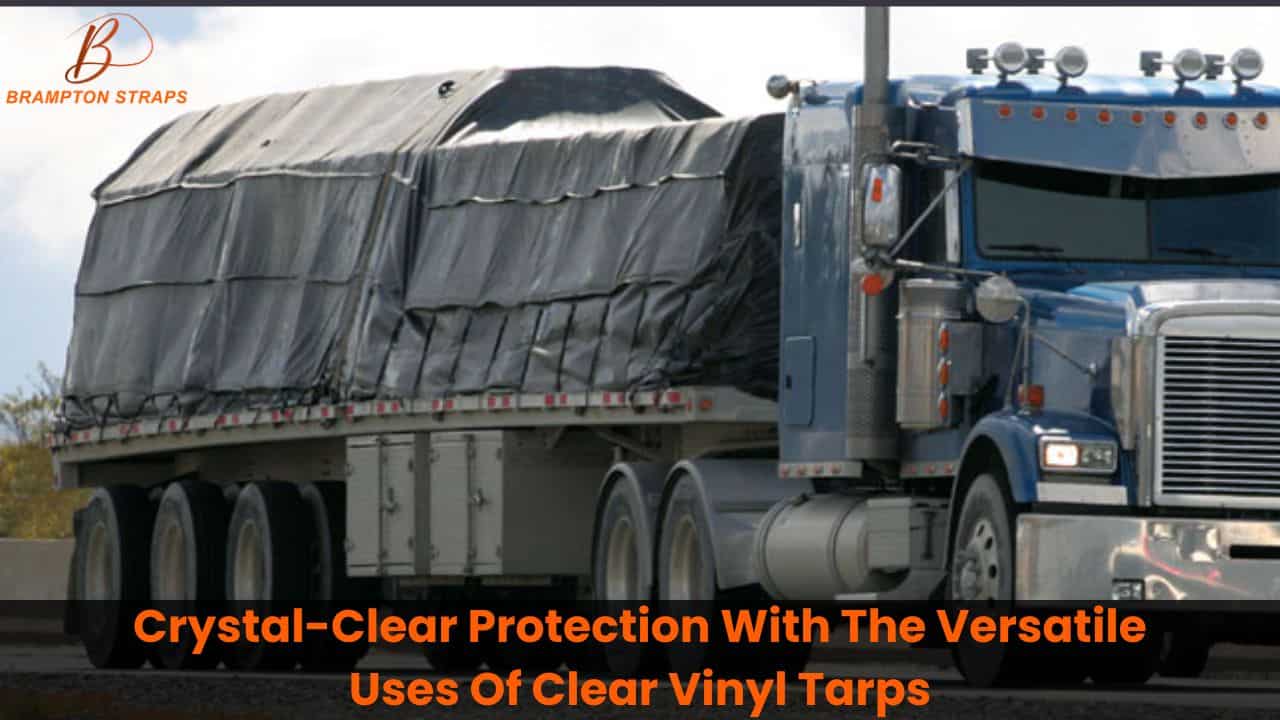

The safety of cargo in flatbed trucks is essential, and that is ensured through the use of straps. But the unprofessional application of straps on cargo can lead to the breakage of straps from the sharp ends of cargo. That is why it is essential to do this with skilled planning to prevent straps from cutting off. Preventing sharp cargo edges from cutting down straps is essential for load safety and equipment longevity. The use of specialised equipment, like plastic corners, distributes the weight properly and protects the strap fabric from any damage. For this, it is important to regularly check the straps to look for any damage and immediately replace them if there are any cuts on the straps. Let’s talk in detail about the straps to prevent them from any damage from the sharp ends of cargo in this blog.
A detailed guide to protect your straps
- Utilise dedicated edge and corner protectors: The most effective way to protect ratchet straps is to use commercial-grade corner protectors, which are often most importantly required when the cargo is sharp to comply with safety regulations. You should use rubber corner protectors as they are more flexible than the plastic ones. These work quite well for sharp shapes and are more resistant to cuts.
- Improvise padding for extreme edges: When the protectors are unavailable, you can go for padding to prevent your straps from cuts. The proper padding of pieces of carpet that are rubber-backed can be placed under the straps. The rubber strips provide the maximum resistance against the cuts.
- Proper application and tensioning techniques: Place the protectors at every point where straps, chains and ropes contact sharp cargo corners, specifically top edges and corners on flatbed trailers. You should ensure that the protectors do not slide down during transit by using rubber pads that stick to the load. Using the half twist method for the straps can help cargo and winches keep on vibrating at high speed.
- Regular inspection and maintenance: You must stop within the routes after every ten to twenty minutes to check that the straps have not loosened or shifted, placing them in contact with the sharp edges. You should check from time to time that your protectors have not cracked; if so, immediately use a new one. Regularly inspect the straps for any cuts or damage. If any strap is found to be broken, immediately replace it with a new one, as a damaged strap can lead to accidents.
Conclusion
For ensuring the longevity of ratchet straps and safety standards, it is important to follow strict load securement strategies. Sharing cargo like metal sheets or machinery can lead to extreme damage to the straps. Plastic corner protectors are the all-around solution for protecting the straps from damage and reducing cargo indentation, and for some specific sharp edges, rubber protectors provide extreme durability. It is essential to follow all the safety guidelines to prevent damage to the fabric of the straps. You should also do routine inspection of the straps and do not overtighten the straps, as it can also lead to their damage. Brampton straps provide you with premium quality straps and edge protection, and as directed by our expert, Mr Jinder Atwal, using these protectors and straps not only saves time and money but also ensures safe transportation.
FAQs
- How do I choose the right size corner protector?
For this, you should measure your strap width, which is usually from two to four inches. The protector should be wider than the strap and long enough to extend from side to side of the corner.
- Can I use cardboard as a protector?
Yes, cardboard is an effective temporary, low-cost solution to sharp edges. But it is not cost-effective as it cannot be used for a long time and gets easily damaged.
- What type of protector is best for metal coils?
For metal coils like steel coils, rubber lining is the best for the protection of the straps.


